

By Heather Blackmon, Heather Blackmon Yoga
The Progressive Yoga System targets joint mobility, tissue circulation, and nervous system recovery for active adults. The system uses monthly practice plans and progressive overload to improve recovery, performance, and quality of life. It focuses on managing stiffness, muscle soreness, and nervous tension common in this group. Practice plans are accessible online via Outflow Studio.
Joint mobility increases range of motion and maintains flexibility. Tissue circulation supports muscle recovery by improving oxygen and nutrient delivery. Nervous system recovery relieves chronic tension to enhance physical and mental recovery. These elements work together within the Progressive Yoga System to sustain physical function and athletic durability.
Joint Mobility
Joint mobility exercises preserve agility and reduce injury risk. Structured routines maintain physical function amid common sedentary or repetitive behaviors. The Progressive Yoga System’s tailored mobility routines adapt to evolving needs.
- Agility and Coordination Maintenance: Regular joint mobility promotes balanced and coordinated movement for athletic activities.
- Elevated Athletic Performance: Improved joint mobility supports efficient biomechanics.
- Recommended Yoga Practices: Dynamic and restorative yoga sequences enhance joint health and physical vigor.
An athletic yoga program applying these mobility principles is available at Outflow Studio. It targets active adults specifically.
Consistency in these mobility exercises supports ongoing recovery and peak performance as activity levels change.
Improving Joint Mobility for Athletic Longevity
Improved tissue circulation accelerates muscle recovery by increasing blood flow, oxygen, and nutrient delivery. It reduces muscle soreness and fatigue following exercise.
- Benefits of Enhanced Tissue Circulation: Improved circulation lessens muscle soreness and decreases fatigue.
- Interrelation Between Circulation and Muscle Recovery: Efficient blood flow speeds healing by clearing metabolic waste and supplying nutrients.
- Progressive Yoga Techniques: Poses such as controlled inversions and gentle backbends stimulate circulation.
Implementing these practices shortens recovery times and supports improved performance in sports and daily activities. Detailed programs are available on the Outflow Yoga Accelerator page.
Nervous System Recovery
Chronic nervous system tension comes from stress, poor posture, and inflammation and affects recovery and performance. The Progressive Yoga System includes techniques to restore nervous system balance. Recognizing bodily signals and applying tension-relief practices are essential.
- Impact of Nervous System Tension on Recovery: Unresolved tension increases pain and stiffness.
- Yoga Practices to Facilitate Nervous System Recovery: Breathwork, mindfulness, and stretching lower nervous system stress.
- Recommended Approach: Regular restorative yoga sessions reduce tension and improve flexibility and resilience.
These strategies assist in managing physical and mental stress. More information is provided on the About page.
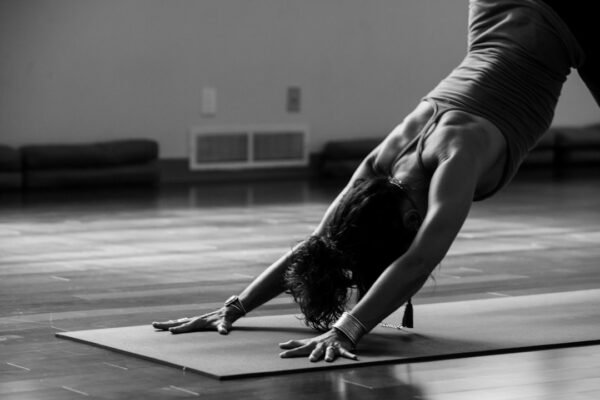
Why is joint mobility essential for active adults?
Maintaining joint mobility supports active lifestyles. Reduced mobility decreases physical performance and raises injury risk. Progressive training maintains joint health.
- Physical Health Benefits: Better joint mobility improves movement quality and reduces injuries.
- Influence on Activity Continuity: Flexibility helps sustain regular physical activity.
- Long-Term Joint Health Strategies: Consistent training preserves joint integrity and function.
Integrating structured mobility work promotes fitness longevity.
How can improved tissue circulation reduce muscle soreness after workouts?
Enhanced circulation delivers oxygen and nutrients while clearing metabolic waste, accelerating muscle recovery.
- Physiological Mechanisms: Increased blood flow removes lactic acid and metabolites faster.
- Importance for Active Adults: Essential for those engaging in frequent or intense activities.
- Recommended Practices: Aerobic exercise and targeted yoga poses stimulate circulation.
These methods increase resilience and readiness for further physical exertion.
Why does improved circulation matter for long-term athletic activity?
Maintaining circulatory health supports endurance, strength, and injury prevention.
- Performance Enhancement: Better oxygen delivery improves muscle endurance.
- Injury Prevention: Well-nourished tissues resist strains and damage.
- Efficient Recovery: Circulation supports shorter recovery periods and enables consistent training.
Structured exercise and recovery practices uphold circulatory health required for athletic longevity.
What causes nervous system tension and how does the Progressive Yoga System address it?
Nervous system tension results from stress, inflammation, and posture issues. It impairs recovery and performance. The Progressive Yoga System combines mobility, circulation, and tension relief techniques to address this.
- Symptoms of Nervous System Tension: Fatigue, muscle tightness, and reduced cognitive function.
- Recovery Consequences: Prolonged tension delays recovery and reduces physical capacity.
- System Benefits: Integrated techniques restore nervous system balance.
Active adults can join targeted classes by consulting the Outflow Studio.
What are the signs nervous system tension affects your recovery?
Signs include persistent muscle stiffness, chronic fatigue, and lower performance.
- Indicators: Muscle tightness and decreased endurance.
- Performance Impact: Reduced physical and mental training capacity.
- Recovery Importance: Regular restorative practices reduce nervous system stress.
Recognizing these signs supports timely application of the Progressive Yoga System’s recovery approach.
How does progressive yoga in short sessions boost recovery for active adults?
Brief, progressive yoga sessions promote recovery by progressively increasing volume and intensity to match physiological needs.
- Physiological Adaptations: Structured programming supports recovery needs.
- Session Structure and Benefits: Sessions mobilize joints, improve circulation, and relieve tension efficiently.
- Recommended Frequency: Practicing 3-4 times per week enhances recovery.
This approach supports sustained activity and health in active adults.
What does a typical Progressive Yoga System session include?
Sessions include dynamic warm-ups, joint mobility sequences, circulation stimulants, and tension relief techniques.
- Session Structure: Combines yoga postures, breath control, and mobility drills.
- Exercise Types: Focus on applied yoga and techniques for physical conditioning.
- Expected Outcomes: Improved joint function, reduced soreness, and better conditioning.
This method supports athletic performance and overall health for active adults.
Improve Your Recovery and Performance Today
Explore the Progressive Yoga System through Outflow Studio for online access, the structured training available with the Outflow Yoga Accelerator, or personalized guidance via VIP Coaching. These programs offer clear progression tailored to active adults focusing on joint mobility, tissue circulation, and nervous system recovery.


