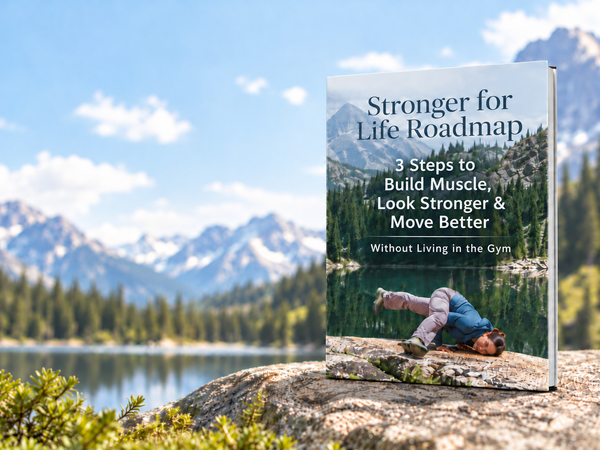
I plan to stay active for the next 30+ years. I want to keep snowboarding, mountain biking, climbing, traveling, and even trying new things. I want to feel strong, look strong, and continue getting better every year.
At 46, I’m still working toward those goals. I’m lifting weights, practicing yoga, and challenging myself on the trail. I also enjoy good food, a glass of wine, and having time to enjoy the rest of my life. Fitness is important to me because of what it allows me to do, and I want to enjoy the process along the way.
My approach to strength training and yoga comes from years of working with clients and experimenting with my own training. One experience in particular changed how I think about combining the two.
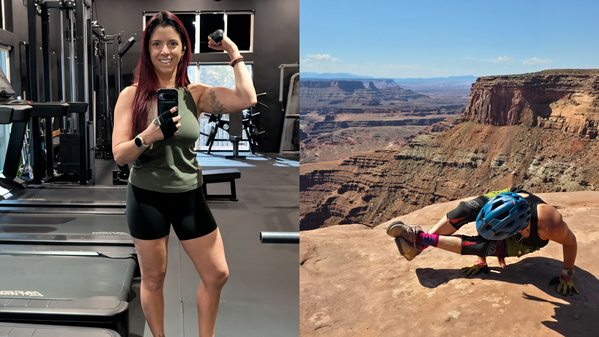
What happened when I stopped lifting and focused on yoga
I started as an endurance coach over 15 years ago, before adding personal training and nutrition to my expertise. I loved lifting weights, because I loved feeling strong and seeing muscles in the mirror. I even competed in three bikini competitions in my mid 30s.
When I started practicing yoga regularly, I kept hearing that it was a complete practice and you didn’t need to do anything else. I was skeptical, but gave it a try for myself. I stopped my regular strength training and started practicing yoga 4–6 days a week, mostly 60-minute vinyasa classes.
I enjoyed the practice and the flexibility that I was feeling, but I also started noticing changes I wasn’t happy with. My arms, legs, and belly looked softer – I was losing some of the muscle definition I’d worked so hard to develop. I also noticed that familiar running & cycling routes started feeling more difficult. I felt like I was working harder to do the same things.
Eventually, I realized that yoga wasn’t meeting all my needs. I missed lifting weights, and I missed the strength and muscle definition that came with it. So I brought strength training back into my routine and dialed back my yoga practice to a more realistic 3-4x a week.
Gradually, I started seeing muscle definition return. I felt stronger during my runs and bike rides, and I was happier with how I looked and performed. At the same time, I was still enjoying the flexibility, mobility, and other benefits I’d gained from yoga.
That experience shaped the way I approach my own training today. And it’s why I believe that yoga isn’t enough on its own. Especially if you’re over 30, you should be including yoga, strength training, and cardio. This is the trifecta for a healthy, active life for decades to come.
Why strength training and yoga work well together
Getting stronger, seeing more muscle definition, and moving comfortably through the activities you love takes a routine that develops those abilities. Strength training gives you a direct way to build muscle and increase the force you can produce. Yoga develops flexibility, balance, and control, with a practice that also gives your breath and attention a place in your week. I make room for both because I value what each brings to my life.
Build strength and muscle with progressive resistance training
If you want stronger legs for skiing, more muscle definition in your arms, or the strength to tackle a demanding hike, give resistance training a regular place in your week. Your muscles adapt to the work you ask them to do. As an exercise becomes easier, increase the weight, add repetitions, or choose a more demanding variation so you keep giving them a reason to adapt.
A 2026 position stand from the American College of Sports Medicine reviewed 137 systematic reviews involving more than 30,000 participants. It found that resistance training improves muscle strength, muscle size, and several measures of physical performance. That supports the approach I use with clients: repeat the exercises long enough to improve at them, track your progress, and increase the challenge as you get stronger.
Strength training also deserves attention as we get older, when maintaining muscle and strength becomes increasingly important. The CDC recommends muscle-strengthening activity at least twice a week, working all the major muscle groups, alongside regular aerobic activity. Whether you’re 35, 50, or 70, start with exercises you can perform well and build from there.
Move more freely with a consistent yoga practice
For a long time, I accepted feeling stiff and sore as part of being active. I’d finish a hard workout, feel tight the next morning, and assume that was what exercising regularly felt like. Consistent yoga changed that experience. My flexibility and mobility improved, and I felt more comfortable moving through different positions, both on my mat and during the rest of my day.
Today, 10–30 minutes of yoga, 2–3 times a week, makes a noticeable difference in how my body feels. I spend time moving my hips, shoulders, and spine through ranges I don’t regularly use when I’m running or riding. I practice balance and control, and I pay attention to where movement feels easy or restricted. Those are abilities I want when I’m snowboarding, climbing, lifting, and going about my day.
The flexibility benefits of stretching are well supported. A 2025 systematic review published in Sports Medicine examined 189 studies and found that static stretching improves flexibility immediately and with regular practice. That research looks specifically at stretching. My yoga practice also includes active movement, strength in poses, balance, breath, and attention, which give me several reasons to keep returning to my mat.
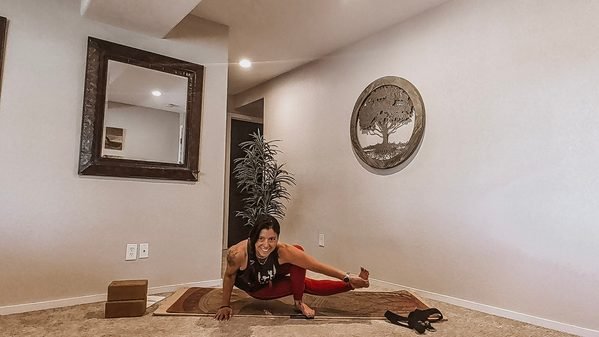
Make time for the mental side of yoga
During yoga, I focus on my breath and pay attention to how I’m moving. That time matters to me, especially during a demanding week. A vinyasa class asks me to stay engaged with the practice, while restorative yoga, yin, meditation, breathwork, and yoga nidra give me different ways to slow down and rest.
A 2024 systematic review and meta-analysis found short-term reductions in perceived stress with yoga compared with passive controls, such as a waitlist. The evidence was rated low quality, so the size and reliability of that benefit remain uncertain. In my own practice, the opportunity to step away from daily demands is a reason to make time for yoga alongside my physical goals.
When I choose practices for myself or someone I coach, I consider the whole week. A focus on hip mobility has a place alongside lifting and riding. A slower practice has a place during a stressful stretch at work. Yoga also deserves room for what you enjoy learning, whether that’s steadier balance, more control in a familiar pose, or a skill you’re excited to practice.
Keep getting stronger as you get older
At 46, I’m still working on getting stronger and improving my physique. I enjoy seeing muscle definition, feeling proud of how I look, and learning to do things I couldn’t do before. I’ve also worked with people who continue hiking, biking, skiing, lifting, and learning new skills into their 60s and beyond. Those experiences give me a clear reason to keep investing in my own strength and movement.
Our bodies change with age, and our training needs to account for recovery, experience, and the demands of daily life. We can keep setting goals and working toward them through those changes. Stronger arms, a more confident ski day, a challenging hike with friends, and feeling comfortable in a bathing suit are all valid reasons to train. You get to choose what you want your body to look like and what you want it to do.
Progress gives you evidence of what you’re capable of. You lift a weight that used to feel too heavy or hold a pose with more control, and you have a reason to take on the next challenge. That’s the confidence I want people to build as they get older, with enough room in their lives for good food, travel, friendships, and everything else they enjoy.
My approach: Fit for Real Life, Move Better, Train With Purpose
These 3 principles guide the choices I make in my own routine and with clients. They connect what you want to achieve with the time you have and give us a way to judge whether your routine is working.
1. Fit for Real Life
Your weekends might include mountain biking, skiing, hiking, or time away with friends. Your weekdays already have work, family, and other commitments. I start there when planning strength training and yoga. We look at the activities you want to keep doing, the time available, and where a regular practice will fit.
Choose a schedule you can follow through an ordinary week. For someone with busy weekends, that could mean 2 strength sessions and a few short yoga practices during the week. Completing that routine consistently gives you repeated opportunities to improve. It also builds trust in your ability to follow through on the commitments you make to yourself.
2. Move Better
The work you do in the gym and on your mat should make a difference you recognize. That could mean stronger legs on a climb, more control on your snowboard, or moving comfortably after hours at your desk. It can also mean more flexibility in a yoga pose you enjoy practicing.
We choose strength exercises and yoga practices around those goals. Resistance training develops strength and muscle; yoga gives you regular opportunities to work on range of motion, balance, and control. Then we look for progress in the movements and activities that matter to you. For a mobility goal, for example, we pay attention to both the range you can reach and how well you can control it.
3. Train With Purpose
Give your sessions a clear job. If you want more muscle definition, your strength training needs enough resistance, regular practice, and progression to support muscle growth. If you want stronger legs for skiing, plan lower-body work around the demands of your ski days. For hip mobility, return to practices that give you time to work on that focus over several weeks.
Track the changes that connect to your goal: the weight you lift, the repetitions you complete, or your control in a movement you’re practicing. Also pay attention to energy, enjoyment, and whether you’re following the schedule. Those details tell us when to increase the challenge and when to adjust the plan.
How to combine strength training and yoga in your week
Start by setting aside time for 2 strength sessions and 2–3 yoga practices each week. I use 30–60 minutes for strength and 10–30 minutes for yoga as a practical starting point. Add a third strength session when it fits your goals and the demands of your other activities. The sessions need to work with your riding, running, climbing, or ski days and leave time to recover.
For someone who wants to build muscle, improve mobility, and mountain bike on weekends, a week with 3 strength sessions could look like this:
| Day | Activity |
|---|---|
| Monday | Full-body strength training |
| Tuesday | 20-minute yoga for hips and hamstrings |
| Wednesday | Full-body strength training |
| Thursday | 20-minute yoga with mobility and balance work |
| Friday | Full-body strength training |
| Saturday | Mountain biking |
| Sunday | Rest or gentle restorative yoga |
If you’re riding several days a week or returning to strength training after a break, start with 2 strength sessions. Build consistency and see how you recover before adding more. A strenuous yoga class also adds physical demand, so account for it when planning your week.
Put short yoga practices where you’ll follow through: after lifting, on a separate day, or during a 10-minute opening at home. If strength is your priority on a day when you do both, complete your main lifts before a demanding yoga session. Choose a gentler practice afterward when you want time for movement and a slower pace.
Adjust the schedule as your life changes. Ski season, a longer weekend ride, or a demanding month at work changes how much time and energy you have available. Keep the sessions that support your current priorities and adjust their length or frequency so the routine remains workable.
If you already manage your strength workouts and want a clear yoga plan to follow, Outflow Studio has monthly Progressive Yoga Practice Plans with 10–30-minute classes, 2–3 times a week. The practices build on each other around a focus, so you know what to practice next.
How I bring strength and yoga together in my coaching
People often come to me wanting more muscle definition, stronger legs for the activities they love, or less stiffness between workouts. They already make time to be active. What they want help with is deciding what to prioritize and fitting strength and yoga into a week that already has plenty in it.
We start with the outcome you want most and look at your experience, current routine, and available time. From there, I help you decide where strength work belongs and choose yoga practices around your movement goals and interests. Someone working toward a steadier balance needs regular opportunities to practice it. Someone with tight-feeling hips after riding needs a consistent focus they can fit around their rides.
Personal support gives us a way to respond as you progress. We look at what’s improving, where you’re getting stuck, and how the routine feels alongside the rest of your life. If you’re ready for more challenge, we progress the work. If your schedule or recovery changes, we adjust the plan so you can keep following it.
For a yoga plan built around your body, goals, workouts, and schedule, Next Level combines a custom plan with 1:1 support. That gives us time to work on your priorities, review your progress, and make changes together.
What progress looks like in your everyday life
Some progress is easy to record: heavier weights, more repetitions, changes in measurements, or more visible muscle definition. Other improvements show up during the activities you care about. You finish a ski day feeling better prepared for the demands, ride a familiar hill with more strength, or feel steadier in a yoga pose you’ve practiced for weeks.
Use those changes to judge your routine alongside the numbers. The goal you chose at the start should still guide what you do next. I want you to feel proud of how you look, recognize what your body can do, and feel excited about the activities and challenges ahead.

Common questions about combining strength training and yoga
Can you build muscle while practicing yoga?
Yes. Combine progressive resistance training with enough food, protein, and recovery to support muscle growth, and keep yoga in your week. Demanding yoga poses and transitions also develop strength and muscular endurance. Dedicated resistance training gives you a straightforward way to increase the load as you get stronger, which makes it useful when building muscle is a primary goal.
Should you do yoga before or after strength training?
When strength is the priority, do your main lifts before a demanding yoga practice so fatigue doesn’t limit the work you came to do. A short, gentle practice fits after lifting or on a separate day. Plan longer, strenuous classes as training sessions in their own right, and leave enough recovery between demanding sessions.
Is strength training and yoga enough to stay fit as you get older?
Include regular cardiovascular activity alongside strength training and yoga. Brisk walking, hiking, cycling, swimming, and running all give you ways to work on aerobic fitness. The activities you already enjoy can fill that part of your week. Keep strength, cardiovascular fitness, flexibility, and balance in view as you choose your routine.
Keep doing what you love for years to come
I want to keep riding, climbing, snowboarding, and traveling, with the strength to enjoy those experiences. I also want to keep seeing physical changes and learning new skills. Bringing strength training and yoga together gives me a routine I can build on while making room for the rest of my life.
If you’re putting time into being active and want more progress from that effort, take a closer look at your current routine. My free Stronger for Life Roadmap helps you assess what’s working and choose what to change. You’ll review Fit for Real Life, Move Better, and Train With Purpose, then identify a practical adjustment in each area. Start there to see where your strength training and yoga need more attention.
Get the Free Stronger for Life Roadmap →